Specialised nephrology and kidney transplant care from Dr. G Suresh Kumar, combining 18 years of clinical experience with compassionate, personalised patient support in Musheerabad, Hyderabad.
Dr. G Suresh Kumar is a Consultant Nephrologist at Gurunanak CARE Hospitals, Musheerabad, Hyderabad, with 18 years of experience in critical care nephrology and renal transplantation. He holds an MBBS from Kakatiya Medical College, an MD from Gandhi Medical College, and a DM in Nephrology from Gandhi Medical College, Secunderabad.
A guide to how healthy kidneys work, and how chronic disease and kidney failure change that picture.
Filters waste and excess fluid from the blood, balances electrolytes, and helps regulate blood pressure.
A gradual loss of kidney function over time, often linked to diabetes, hypertension or genetic conditions.
When kidney function declines significantly, requiring dialysis or transplant evaluation to sustain health.
Each kidney is made up of structures that work together to filter blood and produce urine — understanding them helps patients follow their own diagnosis and treatment plan.
Comprehensive evaluation and management across the full spectrum of kidney disease.
From evaluation to surgery and long-term follow-up, every transplant pathway is planned around each patient's medical history and donor options.
Explore Transplant OptionsEvery step is explained clearly, so patients and families know what to expect at each stage.
Review history and goals
Comprehensive health assessment
Assessing a potential donor
Added to the waiting list
Compatibility confirmed
The procedure itself
Ongoing monitoring and care
Learn about living kidney donation, evaluation, compatibility and the support available throughout the donor journey. Not every prospective donor will be medically eligible — a thorough evaluation determines suitability for each individual.
From first consultation through long-term post-transplant follow-up.
Assessment and diagnosis of kidney-related concerns.
Learn More →Ongoing care plans for chronic kidney conditions.
Learn More →Support and monitoring for patients on dialysis.
Learn More →Assessing suitability for transplant listing.
Learn More →Health assessment for prospective living donors.
Learn More →Long-term follow-up after transplant surgery.
Learn More →Blood pressure control to protect kidney function.
Learn More →Managing kidney health alongside diabetes.
Learn More →Diagnostic tissue sampling for precise diagnosis.
Learn More →ICU-level nephrology support for acute cases.
Learn More →Accurate diagnosis is the foundation of effective kidney care.
A multidisciplinary approach built around each patient's long-term kidney health.
18 years focused on critical care nephrology and renal transplantation.
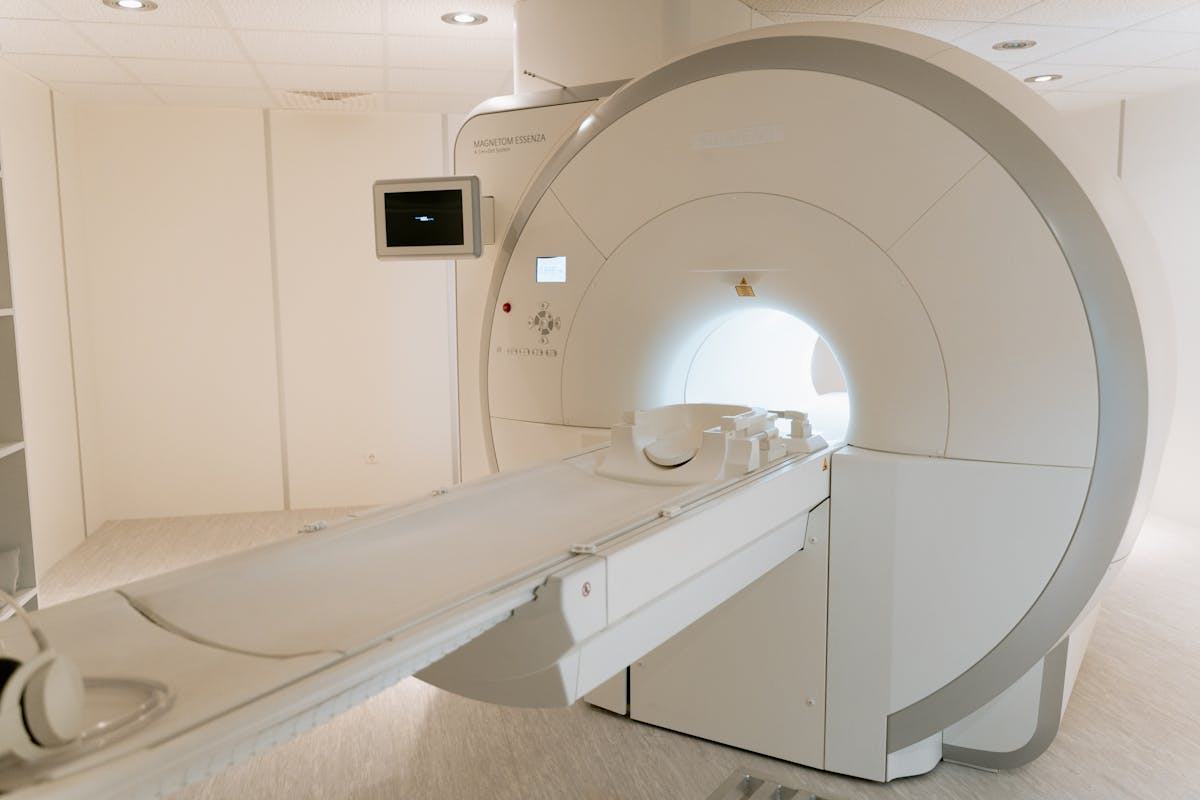
Modern diagnostic tools supporting accurate, timely decisions.
Coordinated support across nephrology, surgery and nursing.
Continued monitoring well beyond the initial treatment or surgery.
Placeholder testimonials — to be replaced with real patient stories once available and authorised for use.
"Placeholder testimonial text describing a patient's overall treatment journey and experience with the care team."
"Placeholder testimonial text describing recovery, follow-up care and communication with the clinical team."
"Placeholder testimonial text describing a living donor's evaluation process and experience donating a kidney."
All testimonials shown are placeholder content pending real, authorised patient stories.
Clear, practical reading on kidney health, transplant and recovery.


A kidney transplant is a surgical procedure to place a healthy donor kidney into a patient whose own kidneys no longer function adequately.
Patients with significant, ongoing kidney function decline may be referred for a transplant evaluation to determine suitability.
Living donation is when a healthy individual donates one kidney to a recipient, following a full medical and psychological evaluation.
Compatibility is assessed through blood type matching, tissue typing and cross-matching tests between donor and recipient.
Evaluation includes a review of medical history, laboratory testing, imaging and consultations with the transplant care team.
Patients are closely monitored in hospital, then followed up regularly with medication management and periodic testing.
Recovery timelines vary by individual; the care team provides a personalised recovery plan and follow-up schedule.
Ongoing follow-up typically includes regular check-ups, blood tests and medication reviews to protect the transplanted kidney.
Reach out to schedule a consultation with Dr. G Suresh Kumar at Gurunanak CARE Hospitals, Musheerabad.